


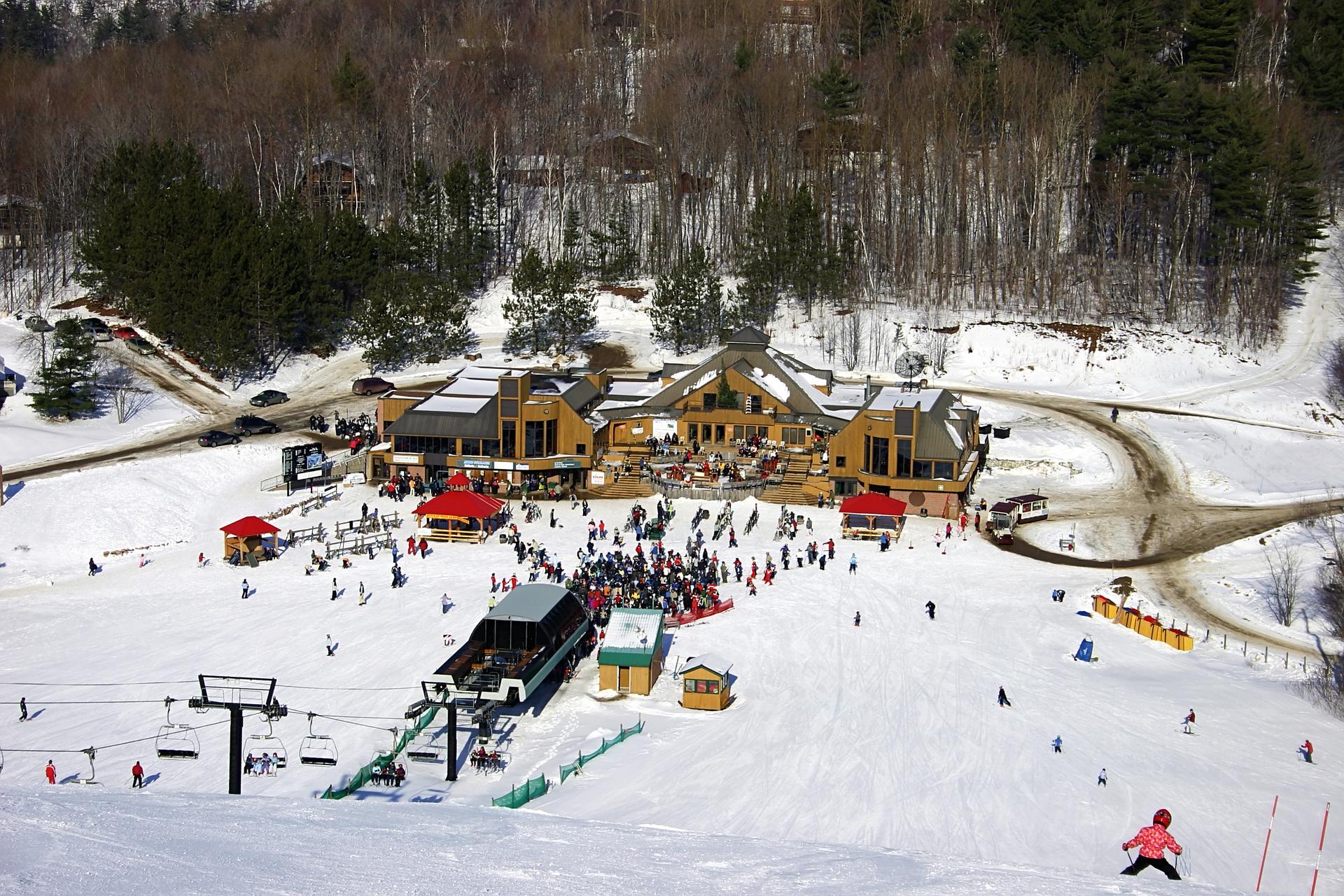
A lot goes into making a great day on the slopes, and ski resorts are finding new ways to make every part of the experience better.
From keeping trails covered in snow and getting skiers up the hill more efficiently to making trips easier to plan and adding more reasons to visit year-round, innovation is about connecting the whole mountain. It's changing how resorts operate, improving the guest experience, and creating new opportunities both on and off the slopes.
We take a look at a few ways innovation is changing the ski resort experience.
Automated Snowmaking
Snow is key to a great season on the slopes. And with snowfall levels changing year-to-year, and being especially unpredictable in the Midwest, many ski resorts are implementing new technology to help ensure that snow stays steady. One of the biggest changes we're seeing is investments in automated snowmaking systems.
Giants Ridge in Biwabik, Minnesota is a prime example of where snowmaking automation has paid off. Ahead of the 2024-2025 season, the resort installed a $14 million automated system covering 62% of its terrain, going from a fleet of 35 snowmaking machines to over 100, allowing them to make more snow in more areas within the same time window.
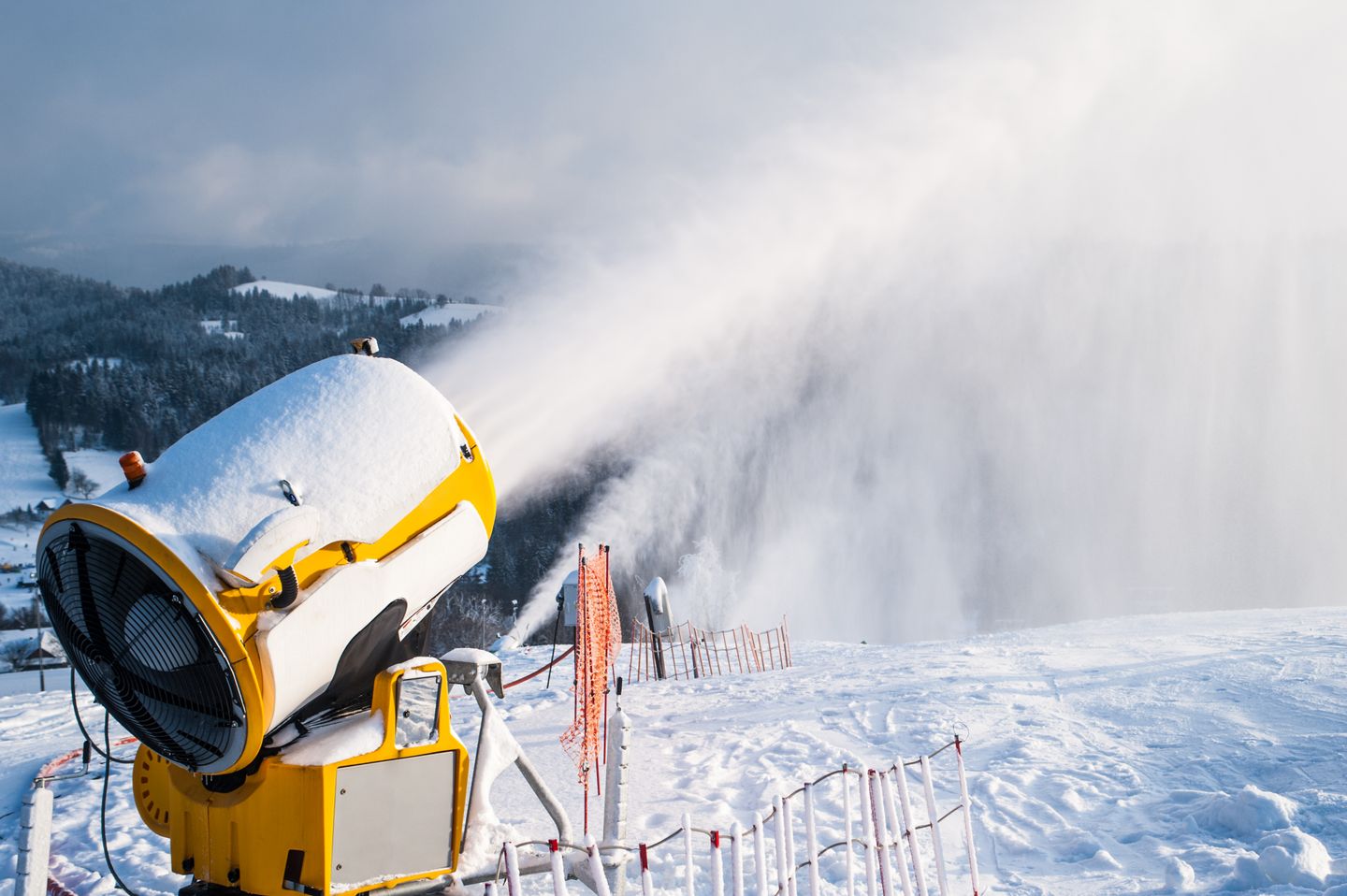
According to Ski Area Management (SAM) Magazine, total snowmaking hours fell from 751 to 532 the following season. Starting the system used to take about two hours and four to six employees. Now one person can start 74 towers in five to ten minutes. The system also introduced automation controls, meaning the snowmaking machines can turn on and off automatically, optimizing snow production based on the weather conditions.
With the new technology, Giants Ridge reported about $200,000 in annual electricity savings, plus fuel saved from fewer snowcat hours.
Snowmaking automation is becoming a strategic investment, not just an operational necessity, improving opening timelines, increasing the number of reliable operating days, reducing energy costs, and protecting revenue when natural snowfall is inconsistent.
The New Ski Pass Experience
New technology has also changed the ski pass experience. Many resorts have replaced traditional lift tickets with RFID passes, allowing guests to move through lift gates hands-free and get on the slopes more quickly. For families and anyone managing gloves, goggles, helmets, and kids’ gear, it’s a small upgrade that makes the entire process a little easier and more convenient.
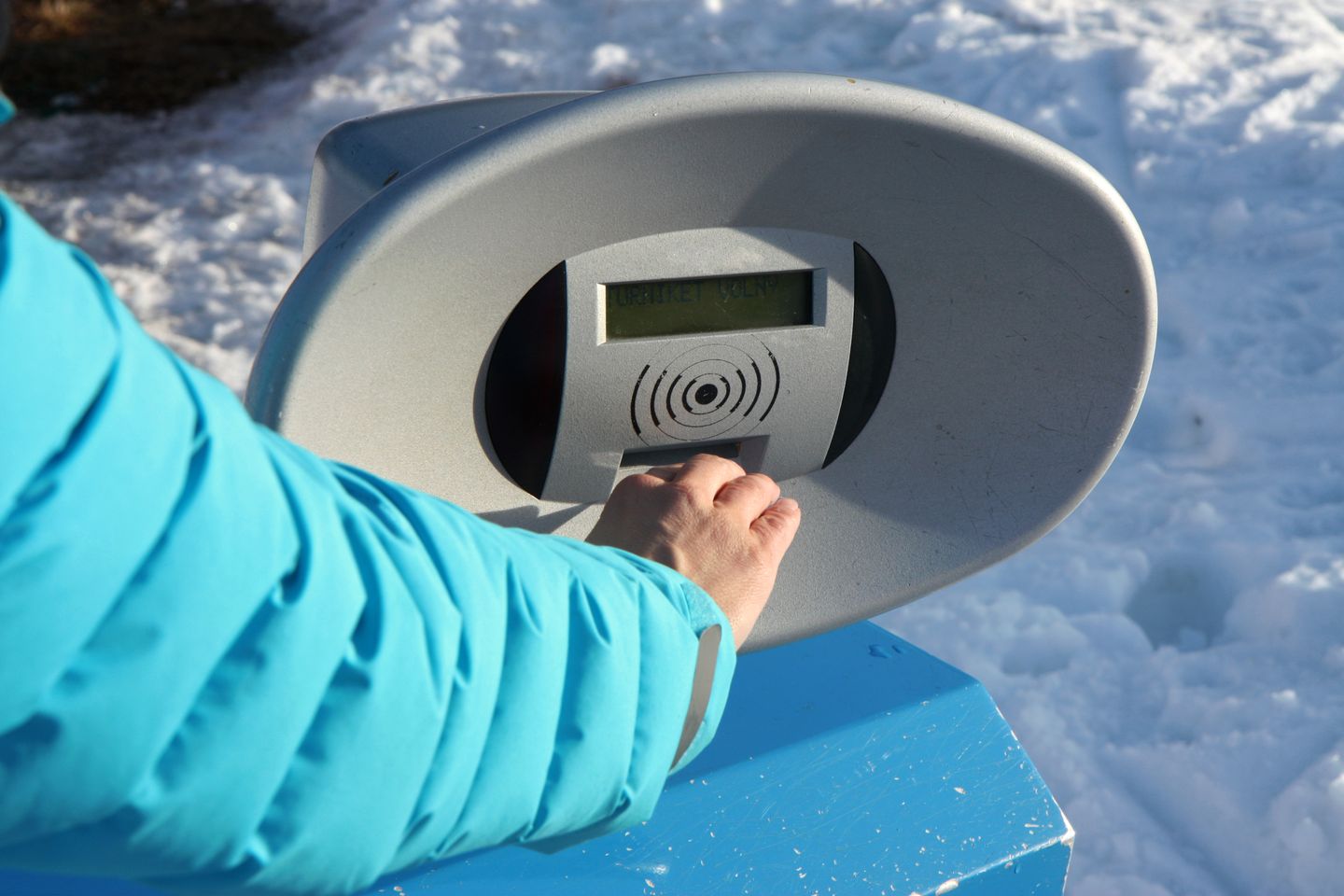
Resorts are taking that convenience a step further, allowing guests to reload their passes, access lockers, and make purchases through one connected account. Beyond making things easier for guests, these systems can also reduce the demands on staff and give resorts a better way to track guest activity, sales, and spending patterns.
A recent SAM technology survey revealed that a majority of ski resorts have increased their technology budgets over the past three years, spending more on innovation, prioritizing integration, guest-facing tools, and data-driven investment. Enhancing the guest self-service and mobile experiences, including apps or a guest portal, is a top priority for resorts, as 66% of millennial skiers prefer to book all trip components on mobile and 74% of Gen Z and millennials use mobile for research and planning.
Resorts that have brought these services together on one unified platform are starting to see the payoff, both in the guest experience and in their ability to track business performance. At some resorts, mobile ordering has grown to account for 35% of food and beverage transactions in just one season. And guests who use a resort's connected app are also 2.8 times more likely to return than those who don't engage with the resort digitally.
Ultimately, these tools help resorts create a more seamless experience, reducing friction at the moments when guests are deciding to book, make a purchase, or spend more during their visit.
AI Integration
Across the country, 37% of ski resorts have already begun incorporating AI into their operations, using the technology to improve everything from day-to-day management and operational planning to guest services.
This includes chatbots that handle common guest questions, personalized recommendations based on purchase history, and AI shopping assistants that help guests find the right lift tickets, lessons, rentals, and passes. SnowCloud is one example of an AI-powered booking system that brings guest profiles and purchasing information together on a unified platform to create a more personalized experience. By analyzing purchase history and guest behavior, the system simplifies the booking process, helping resorts reduce checkout times by 40% and increase return visits by 15%.

AI is also helping resorts better anticipate staffing needs based on weather forecasts and optimize lift operations during peak periods.
The technology is even making its way into lift safety and maintenance. Bar-Down.AI, for example, has developed computer-vision technology that monitors chairlift operations in real time. The system provides insight into lift activity and usage, alerting operators to potential safety concerns and operational bottlenecks.
As these tools continue to evolve, AI is giving ski resorts new ways to improve the guest experience, make more informed decisions, and operate more efficiently.
Modernizing Mountain Operations
Beyond snowmaking and guest-facing technology, ski resorts are also investing in the infrastructure that keeps the slopes running. Lift modernization is a major part of that investment, with resorts upgrading older chairlifts to newer, high-speed systems that can move more skiers uphill in less time.

Little Switzerland in Wisconsin recently made a $4 million investment to replace its up-and-over chairlift with two separate quad chairlifts, increasing capacity, reducing lift lines, and providing more room for skiers to disembark at the top. Marquette Mountain in Michigan swapped out its Rocket chair for a Doppelmayr fixed-grip triple chairlift, allowing more skiers to get up the hill quickly while providing easier access to more terrain and helping spread out the crowds.
Other improvements include advanced lift monitoring, predictive maintenance technology, and more efficient grooming equipment. These investments can help reduce downtime, improve reliability, and help more guests around the slopes more efficiently. Ultimately, these improvements help make better use of existing terrain, improve the guest experience, and keep operations running smoothly.
Beyond the Winter Season
Snowmaking, technology, and infrastructure investments help make the winter season more reliable. But for many ski resorts, long-term growth also depends on what happens after the snow melts.
Rather than relying almost entirely on winter revenue, many ski resorts are investing in summer activities and amenities that bring visitors to the mountain year-round. Mountain biking, scenic chairlift rides, hiking trails, outdoor concerts, golf, and special events are just a few ways resorts are expanding their offerings beyond skiing and snowboarding. Giants Ridge, for instance, offers year-round recreation, including golf, mountain biking, hiking, and lodging and dining.

Most recently, at Deer Valley in Utah, major redevelopment plans include new restaurants, shops, lodging, and community amenities. Crystal Mountain in Michigan is taking a similar approach with its planned North Village, a mixed-use development featuring residences, commercial space, an event plaza, and outdoor amenities for both winter and summer, including an outdoor pool and gardens.
These additions help resorts make better use of their existing infrastructure, diversify revenue streams, and reduce their dependence on a single season.
Looking Ahead
The ski industry is constantly evolving, and today's investments in innovation go well beyond what's happening on the slopes. From making operations more efficient, creating a smoother guest experience, and finding new ways to bring visitors to the mountain year-round, resorts are looking at the bigger picture.
As ski resorts continue to evolve, understanding how operational improvements, new amenities, and changing guest expectations impact a property's value is increasingly important. SVN | Northco’s resort and hospitality brokerage team guides owners through the entire process, from the initial meeting, intake, valuation, and sale strategy through preparation of the offering package and data room, buyer outreach, negotiations, due diligence, and closing.
Our broader resort, golf, and hospitality team has worked on 500+ projects across 36 states and five countries, providing experience across complex operating and special-purpose properties.
Share This Article


