


Maximizing your exit price isn’t just about setting the right asking price. When a buyer considers your resort, they’re digging into what drives its financial performance, how sustainable the operation is, what capital investments may be ahead, and where they see opportunities for future growth.
From improving revenue and making strategic property improvements to organizing your records and understanding the market, the decisions you make now can shape buyer confidence when purchasing your resort, and ultimately your sale price.

If you’re thinking about selling your resort in 2027, don’t wait until it’s time to start thinking about how to increase value. Some of the biggest opportunities to strengthen your exit price happen well before a prospective buyer ever walks through the door.
Here’s how to start preparing today so you can put yourself in the best position possible when it’s time to sell.
Show Buyers the Value Behind Your Asking Price
To maximize the exit price of your resort, buyers need to understand the value behind the price tag. Buyers will evaluate the resort’s location, reputation, repeat guest base, seasonality, property condition, and operating model, along with its financial performance and opportunities for growth.
That’s why it’s important to have a clear understanding of what is driving your resort’s financial performance and where there is room for growth. A strong track record of revenue and EBITDA gives buyers something tangible to evaluate, while a clear strategy for future growth can help them see the potential beyond the current numbers.

Take a Close Look at Your Revenue Streams
Start by taking a close look at your resort’s revenue streams. Are you maximizing room rates during peak periods? Buyers will want to look at your occupancy rates, average daily rate (ADR), and Revenue per Available Room (RevPAR), to see how those numbers stack up with other resorts in the market.
Additionally, are there opportunities to increase revenue through food and beverage, events, recreational activities, marina operations, boat rentals, spa services, or other amenities? Even small improvements across multiple revenue streams can have a meaningful impact on EBITDA, provided the additional revenue exceeds the costs of generating it.

Understand Your Operating Expenses
It’s equally important to understand your operating expenses. Review labor, utilities, insurance, property taxes, maintenance, vendor contracts, and other recurring costs to identify areas where expenses can be managed without sacrificing the guest experience.
Buyers will want to know that the resort’s financial performance is sustainable, not simply the result of short-term cost cutting. For owner-operated resorts, clearly explain the owners’ day-to-day responsibilities and how those duties could transition to a buyer or hired management.
Buyers need to understand both the income the resort generates and the work required to sustain it.
Give Context Behind the Numbers
Finally, be prepared to give context behind the numbers. If revenue dipped or your expenses increased because of a renovation, a temporary closure, unexpected weather, or another one-time event, make sure buyers understand why.
Giving buyers a clear, accurate picture of how the resort has performed is essential in providing transparency and confidence in its value and potential.
Know Where to Make Strategic Improvements Before You Sell
Not every $500,000 renovation adds $500,000 to the sale price. Knowing where to invest and the improvements that will enhance value will not only improve the guest experience, but create more buyer incentive.
You don’t need to renovate everything, but you will want to address issues that may become a major deterrent for buyers.
Invest Where It Adds Value
Before making a major capital investment, ask if it will help increase revenue, reduce operating expenses, improve the resort’s competitive position, or address a buyer concern.
For instance, dated interior design may not be a deal breaker for buyers. However, if the roof is about to fall in or if there are major issues with the plumbing or HVAC systems, buyers may hesitate to take on that much maintenance or renovation work.
Document Improvements and Capital Needs
Prepare a summary of completed improvements, deferred maintenance, and anticipated capital needs before placing your resort on the market.
Include major items such as roofs, docks, wells, and septic systems, as applicable, along with available cost estimates. This can help buyers assess the property accurately and reduce surprises during due diligence.
Make Your Financial Records Buyer-Ready
Your goal is to make due diligence boring. Compile clear financial records, including three to five years of profit and loss statements, current-year financials, tax returns and property tax records, occupancy and ADR history, RevPAR data, payroll and management information, vendor contracts and any management or rental agreements, and licenses and permits.
You’ll also want to collect any capital improvement history, any equipment inventories, utility expenses, and maintenance records.
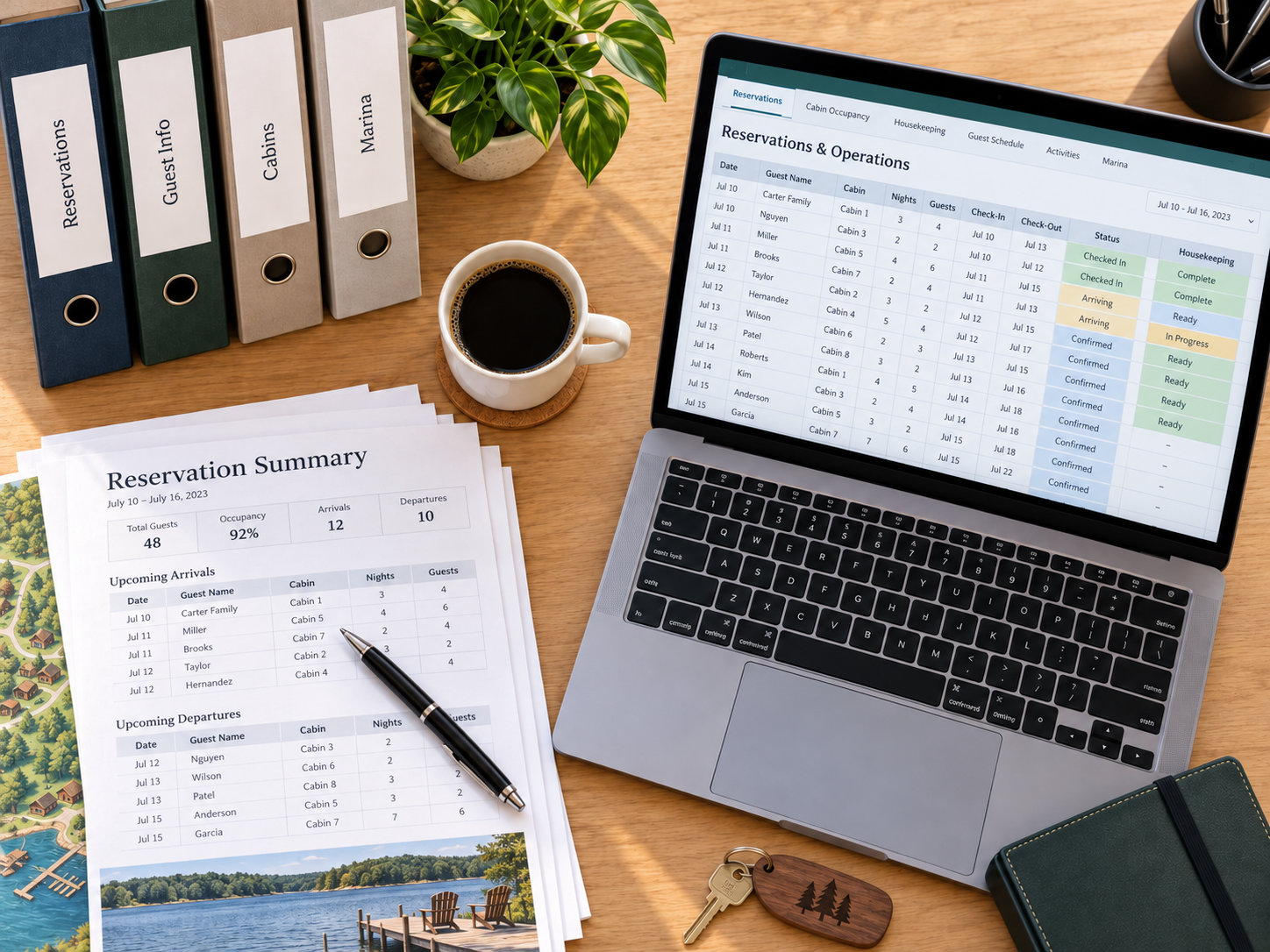
Keep Records Organized From the Start
The more organized your offering materials and records are from the start, the easier it is for qualified buyers to evaluate the opportunity and the smoother the due diligence process can be.
Understanding the Market You’re Selling Into
Understanding the market for your resort means looking beyond national hotel forecasts. Relevant resort sales, local tourism demand, competing properties, and the availability of financing provide a more useful foundation for setting expectations.

Position Your Resort for the Right Buyer
Positioning also matters: an owner-operator may evaluate the lifestyle and owner’s accommodations alongside cash flow, while an investment buyer may focus more heavily on management, operating scale, and growth potential.
Your sale strategy should reflect the buyers best suited to your property.
If You’re Targeting a 2027 Sale, You Don’t Want to Wait Until 2027 to Start Preparing
The strongest opportunities to improve your resort’s value and maximize the exit price often happen well before it hits the market. From strengthening financial performance and addressing deferred maintenance to organizing your records and understanding the market, starting today can put you in a stronger position when it’s time to sell.

How SVN | Northco Can Help
At SVN | Northco we work with resort owners throughout the sale process, helping you understand how buyers will evaluate your property, identify opportunities to strengthen its value, and position the resort for the market.
Whether you’re still several years out from a sale or beginning to prepare for 2027, getting the right advice early can help you make informed decisions about where to invest your time and capital.
SVN | Northco’s resort and hospitality brokerage team guides owners through the entire process, from the initial meeting, intake, valuation, and sale strategy through preparation of the offering package and data room, buyer outreach, negotiations, due diligence, and closing.
Our broader resort, golf, and hospitality team has worked on more than 500 projects across 36 states and five countries, providing experience across complex operating and special-purpose properties.
Share This Article


