


Guide
From Fairways to Front Doors: How to Evaluate Housing Potential on Golf Development Land
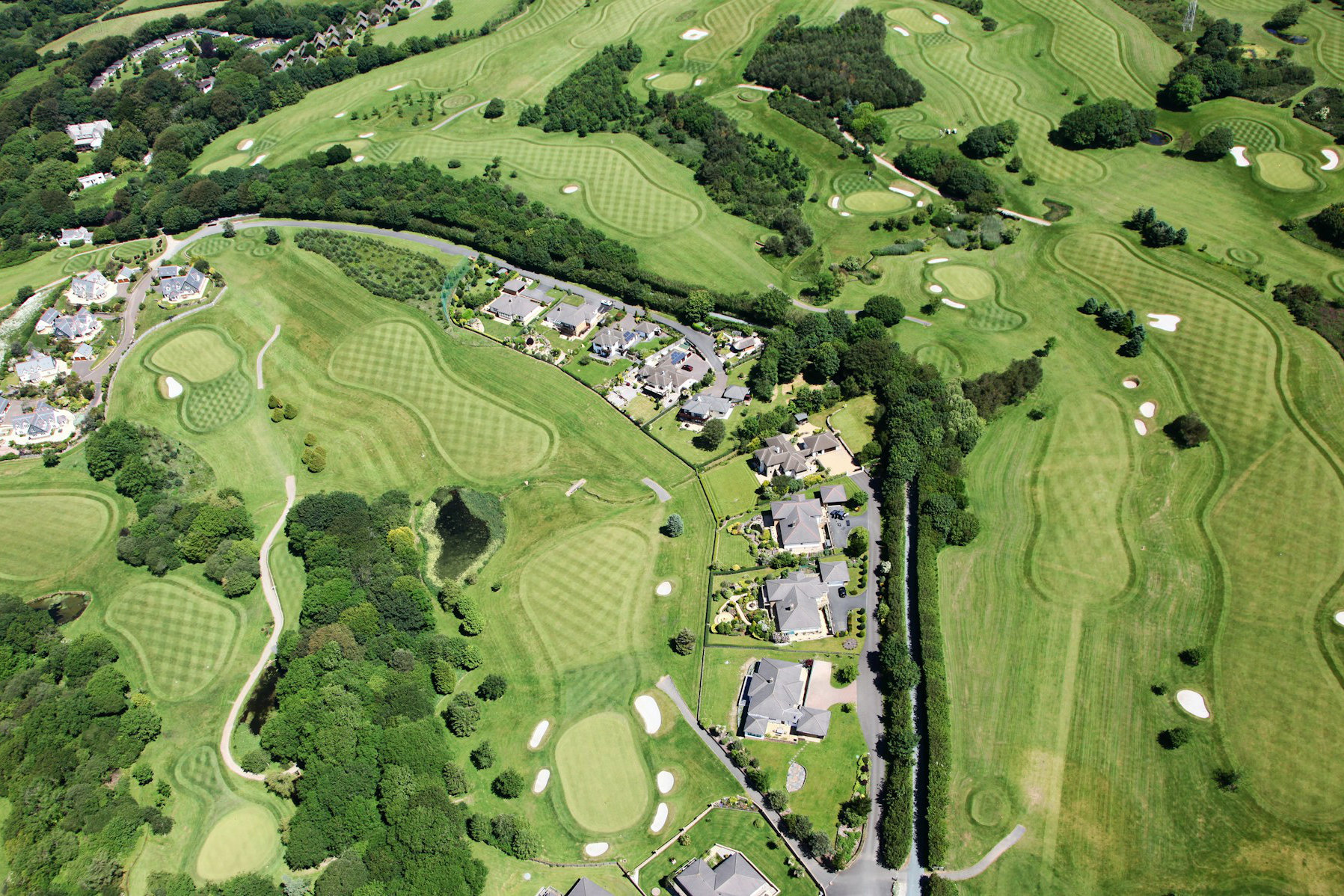
Golf properties have emerged as compelling development and redevelopment opportunities in today’s market. Beyond the fairways, the land may offer the potential to create vibrant, thoughtfully designed communities that meet growing demand for housing.
Their size, established locations, and existing infrastructure can make golf properties ideal candidates for residential development, but not every golf course offers the same opportunity. Before pursuing a project, developers and investors should evaluate several factors that determine whether a golf property can support successful residential development.
What Is the Demand and Long-Term Value?
Successful projects begin with understanding market demand. Population growth, employment trends, school districts, household demographics, housing inventory, and local economic conditions all help determine the type of development that a market can support.
The goal isn't simply to maximize the number of homes on a site. It's to create a community that aligns with the needs of the surrounding market and delivers long-term value.
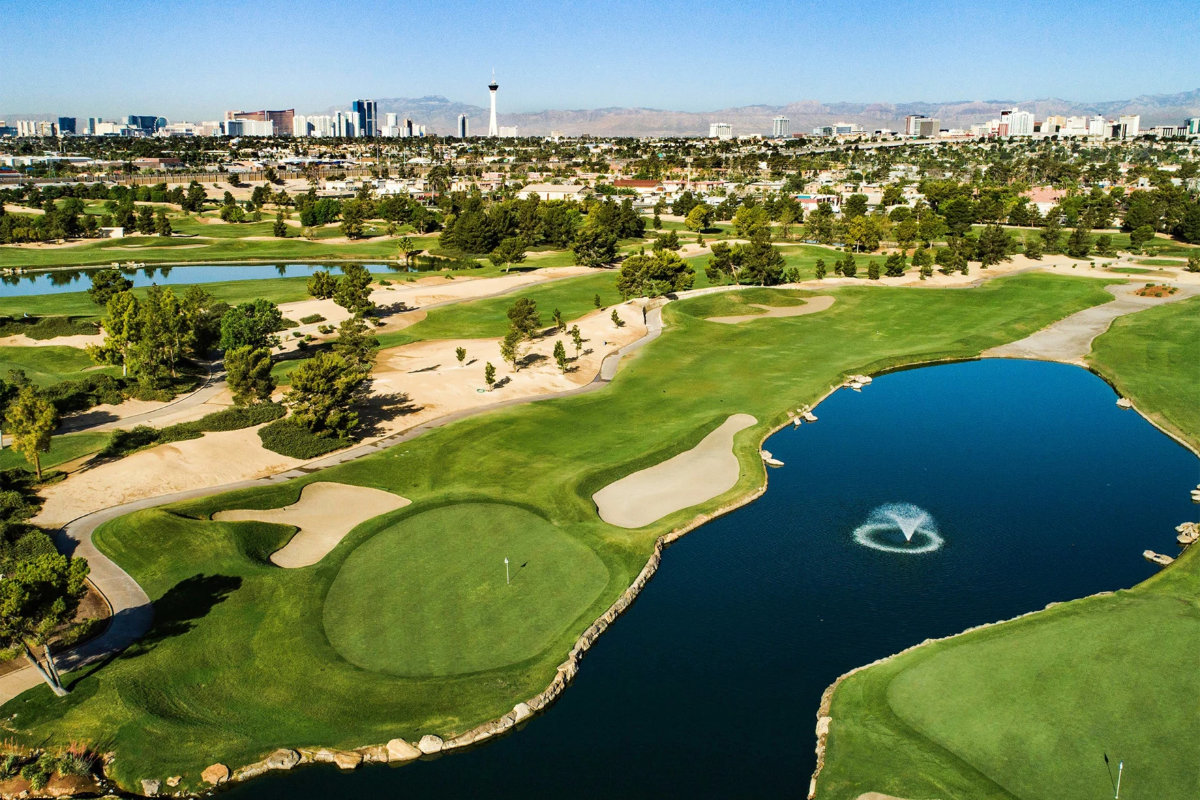
The redevelopment of Desert Pines Golf Club in Las Vegas illustrates this shift. Sold for $17.5 million in June 2025 amid the region's ongoing housing shortage, the 95-acre property is planned to become a mixed-use community featuring approximately 1,500 residential units alongside retail and outdoor gathering spaces. Rather than replacing a golf course with housing alone, the project is responding directly to market demand while creating a destination that serves future residents.
A similar approach can be seen with The Heights in Saint Paul, Minnesota. The City of Saint Paul, in partnership with the Saint Paul Port Authority (SPPA), is redeveloping the former Hillcrest Golf Course into a new, eco-urban mixed-use neighborhood called The Heights.
The 112-acre site will include approximately 1,000 residential units with a strategic mix of workforce, market-rate, affordable, and deeply affordable housing.
Along with more than 20 acres of dedicated green space, the redevelopment will also include 1 million square feet of light industrial space, creating employment opportunities and supporting long-term economic stability. The project is seeking businesses and employers that offer benefits and opportunities for career advancement.
For developers and investors, projects like Desert Pines Golf Club and The Heights reinforce an important principle: lasting value comes from placemaking, not just building homes. A well-executed master plan that integrates housing, open space, infrastructure, and community amenities positions a development for long-term success. Buyers are not simply purchasing homes; they are choosing neighborhoods and communities.
How Will Redevelopment Affect the Surrounding Community?
That broader vision also creates value beyond the boundaries of the development itself.
Research has found that homes adjacent to certain redeveloped golf courses with new homes appreciated approximately 27% more than the broader market after redevelopment began.
The specific results of redevelopment, however, depend heavily on project density, design, traffic impacts, and the amount of open space preserved.
Many communities can be apprehensive about redevelopment projects, particularly when residents are concerned about losing open space, increasing traffic, or changing neighborhood character. Demonstrating that a thoughtful redevelopment may preserve meaningful green space and support nearby property values can help reduce community pushback.
Projects that strengthen surrounding neighborhoods are more likely to earn community backing, enhance nearby property values, and generate lasting returns.
Can the Property Be Entitled for Residential Development?
A golf course’s total acreage does not necessarily equal its developable acreage. Developers should evaluate the property’s comprehensive-plan designation, zoning, allowable density, access, utility capacity, and applicable development fees before assigning value to a potential residential project.
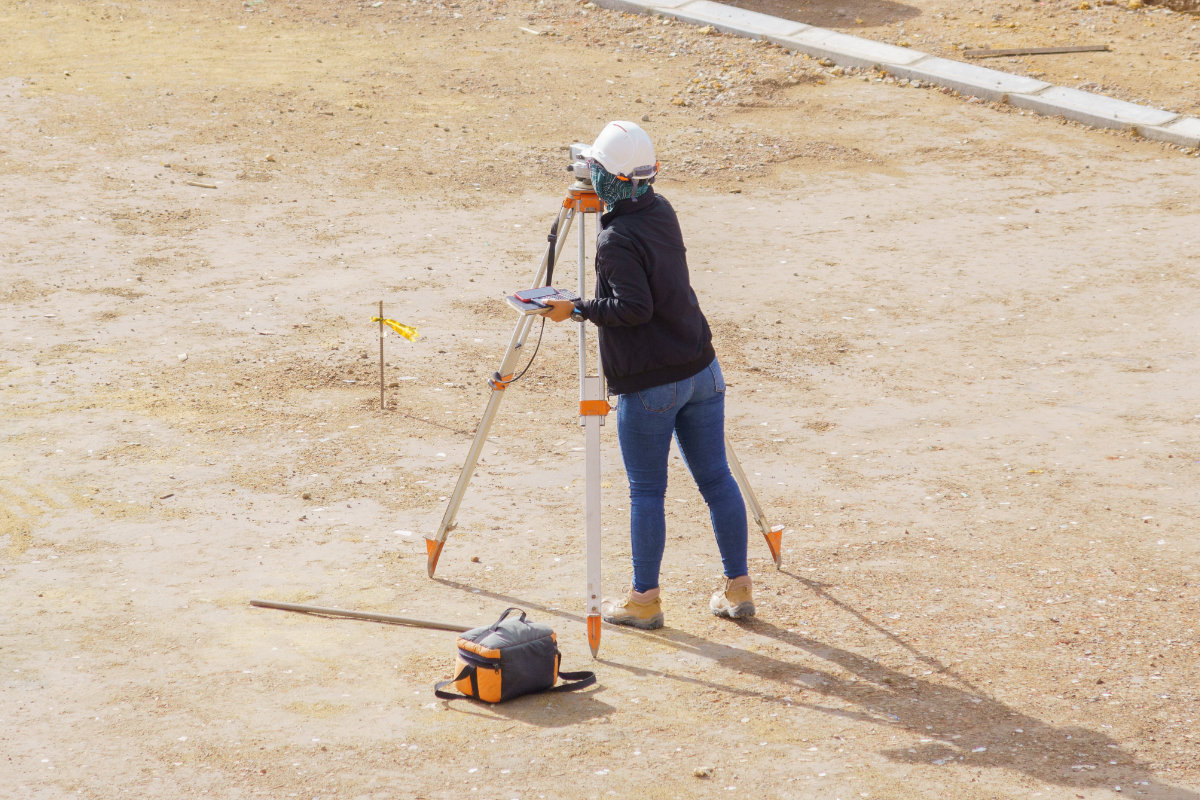
Golf properties may also be subject to conservation easements, open-space covenants, deed restrictions, or prior development approvals that limit alternative uses. Municipal attitudes toward redevelopment, affordable-housing requirements, park-dedication obligations, and the anticipated entitlement timeline can materially affect project feasibility and land value.
These issues should be investigated early and reflected in the purchase structure and due-diligence period.
Are There Environmental Considerations?
Golf properties require a different level of environmental due diligence than many traditional development sites. Whether you are looking to redevelop the entire site or add housing to an operating course, you will need to determine whether environmental conditions could significantly affect project feasibility.
Preserving Natural Features
The first consideration is preservation. Many golf courses contain or adjoin wetlands, floodplains, woodlands, drainage corridors, and wildlife habitat. Developers must determine whether any portion of the property is protected, subject to development restrictions, or otherwise unsuitable for construction.
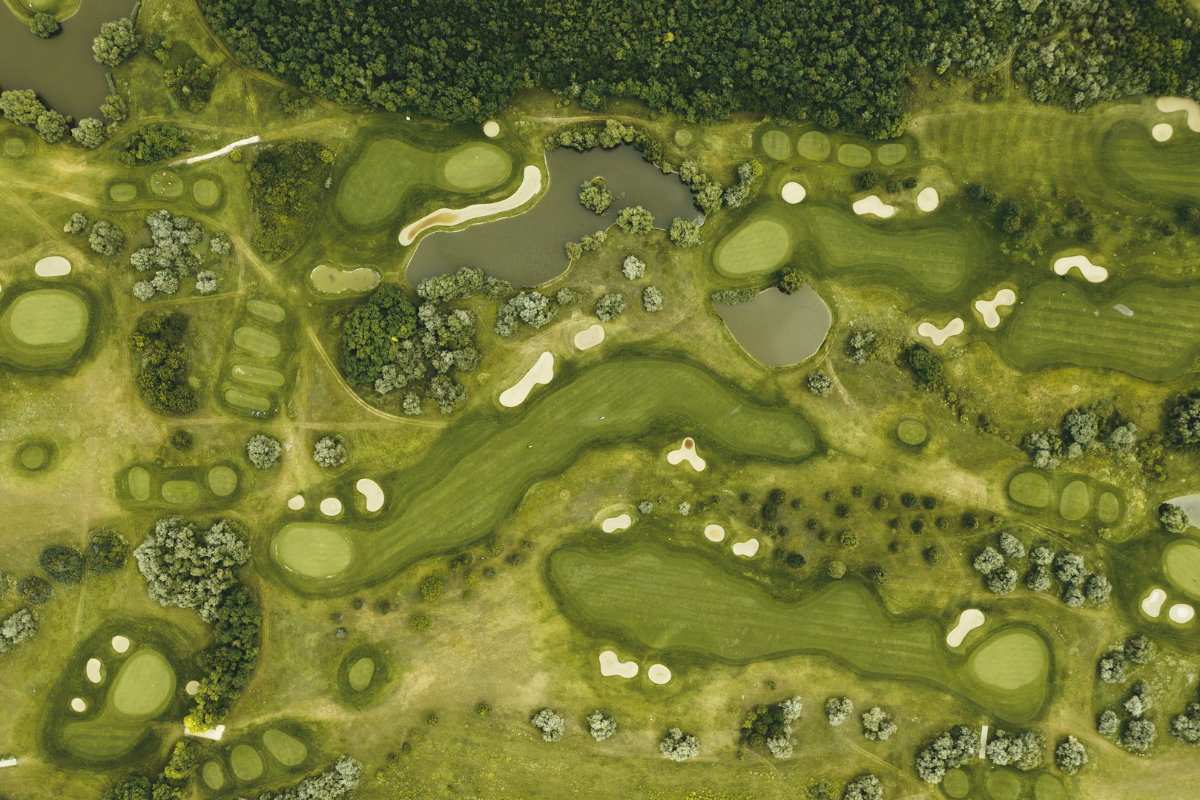
While a preserve can be an added benefit for the new community, understanding the limitations of the land is essential when evaluating development potential.
Chemical and Soil Contamination History
One of the biggest environmental concerns is the history of chemicals used on the course. Historical applications of pesticides, herbicides, fungicides, fertilizers, petroleum products, and maintenance chemicals may create environmental liabilities or remediation costs.
Soil contamination was one of the major issues that had to be addressed before the redevelopment of The Heights could proceed. After decades of pesticide and fungicide use, the soil was contaminated with mercury and petroleum residues that required environmental cleanup.
Engaging an experienced environmental consultant early in the process can help identify potential contamination, estimate remediation costs, and determine whether environmental conditions could affect project timing or feasibility.
Can Existing Infrastructure Reduce Development Costs?
One advantage many golf properties offer is existing infrastructure. Road access, utilities, stormwater systems, irrigation networks, landscaping, and grading may already be in place, potentially reducing development costs.
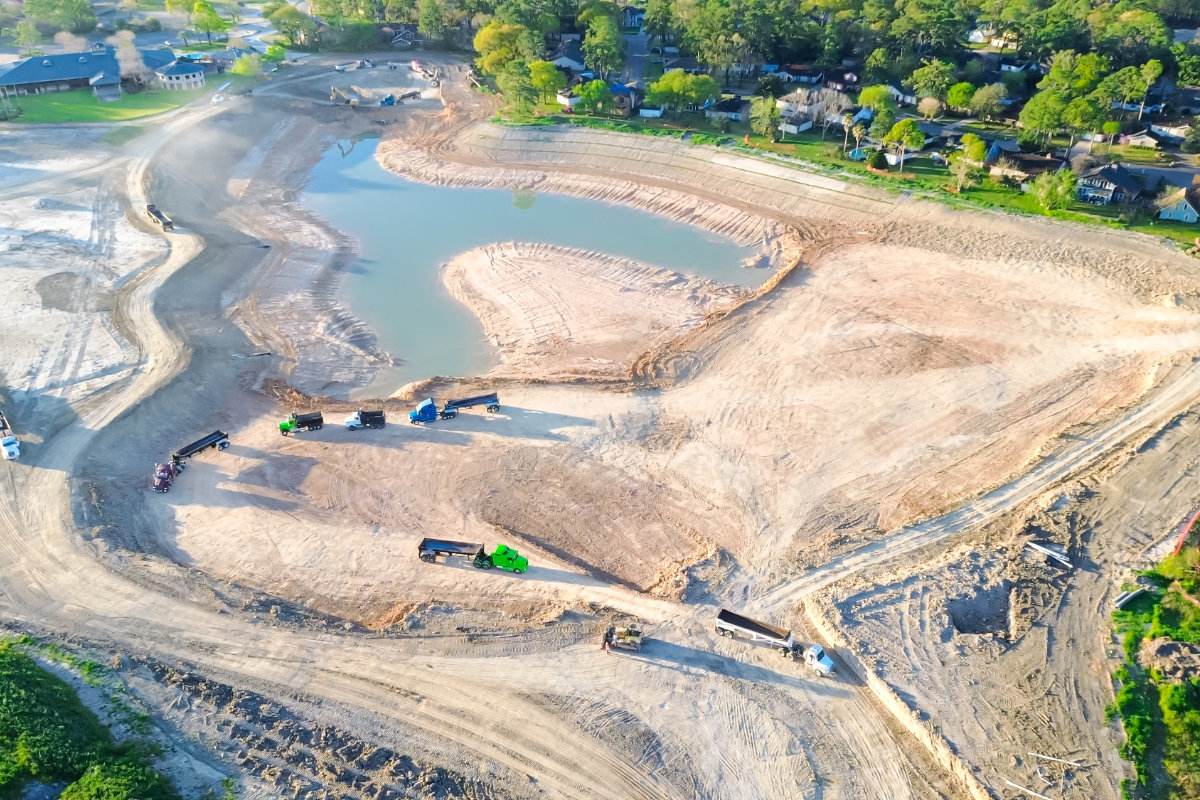
However, developers should not assume that infrastructure designed for a golf course can be incorporated directly into a residential project. Existing roads may not meet municipal standards, utility systems may lack adequate capacity, and irrigation or stormwater improvements may need to be replaced or substantially modified.
Older golf courses may need more work, and their infrastructure may require a complete overhaul, as occurred with The Heights project. However, if you are planning a residential development around an existing golf course, usable infrastructure may still provide meaningful savings in both time and cost.
Is the Best Use to Preserve the Course or Redevelop It?
One of the biggest decisions developers face is not simply whether to build housing. It is determining whether the golf course should remain part of the community.
While some aging courses present strong opportunities for full redevelopment, others continue to provide value as an amenity that enhances the appeal of surrounding neighborhoods.
Weighing the Course's Financial Sustainability
The first step is determining whether the golf course is financially sustainable. Is the course profitable, or has it experienced years of declining rounds, memberships, or rising maintenance costs? If the course requires significant capital investment simply to remain operational, redevelopment may offer a stronger long-term return.
However, if the course is doing well, it can become a centerpiece for new residential development and provide an amenity that supports residential absorption, pricing, and community identity.
The Value of Golf as a Community Amenity
Research has generally found that homes directly adjacent to golf courses may command a measurable premium, although the amount varies significantly by market, course quality, lot position, views, and other property characteristics.
One study found a premium of approximately 7.6%, while more recent research in South Florida estimated an average premium of approximately 8% to 12%.
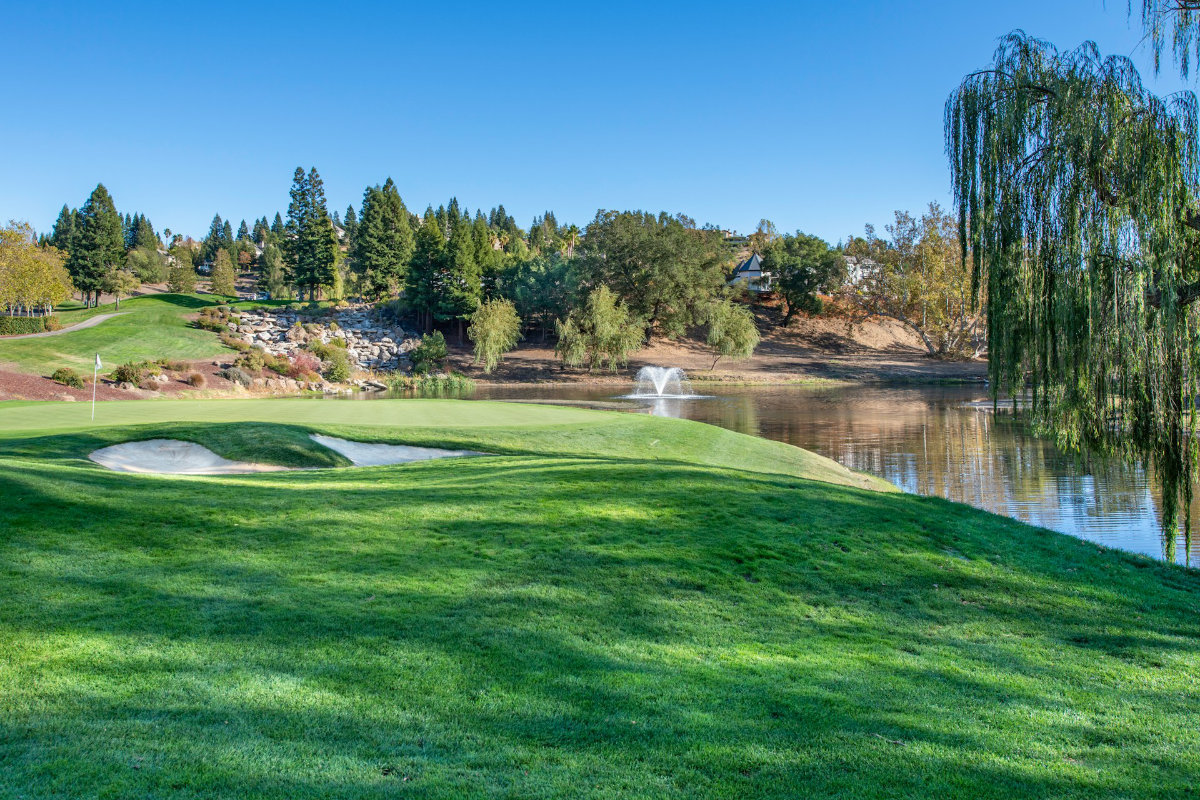
The sport of golf is not the only appeal. Many buyers are also drawn to the landscaping, open space, views, and recreational character associated with a golf community. Often, the course includes additional amenities such as the clubhouse, restaurants, wellness spas, swimming pools, saunas, and hot tubs.
A Hybrid Approach
A hybrid approach that preserves the course while developing reconfigured holes or underutilized land can diversify revenue streams, increase land efficiency, and preserve the open space and lifestyle that residents often value most.
As housing demand continues to place pressure on established communities, golf properties may offer meaningful opportunities to reimagine underutilized land. However, successful projects require more than available acreage. Developers must understand market demand, entitlement constraints, environmental conditions, infrastructure capacity, course economics, and community priorities.
Whether the appropriate strategy is full redevelopment, residential expansion around an operating course, or a hybrid plan, disciplined planning and thorough due diligence are essential. A careful evaluation of the property’s physical, financial, regulatory, and market characteristics can reduce risk, maximize value, and create durable, well-integrated communities.
If you're evaluating whether your golf course has redevelopment potential, whether that means adding housing, reconfiguring the course, or exploring a full sale, SVN Northco's golf course brokerage services can help you understand what your property is worth today and what strategy makes the most sense for its future.
Our team specializes in hospitality real estate services, with 500+ projects worked on.
Share This Article


