



After returning from your favorite vacation spot for the tenth summer in a row, you’re ready to make it official: You want to own a piece of the place you love.
Purchasing a resort unit allows you to return to your own corner of paradise while also giving you the opportunity to own an interest in real estate that may appreciate over time. But before you start packing your bags and picturing your name on the deed, it’s important to understand your financing options and how they can differ from financing a traditional second home.
Understanding the Property Type
The first step is understanding exactly what you’re purchasing and how a lender will classify the property. Resort units offered through a fractional ownership structure allow multiple owners to share ownership of a single property, with each owner typically purchasing a percentage interest that provides defined usage rights during the year.
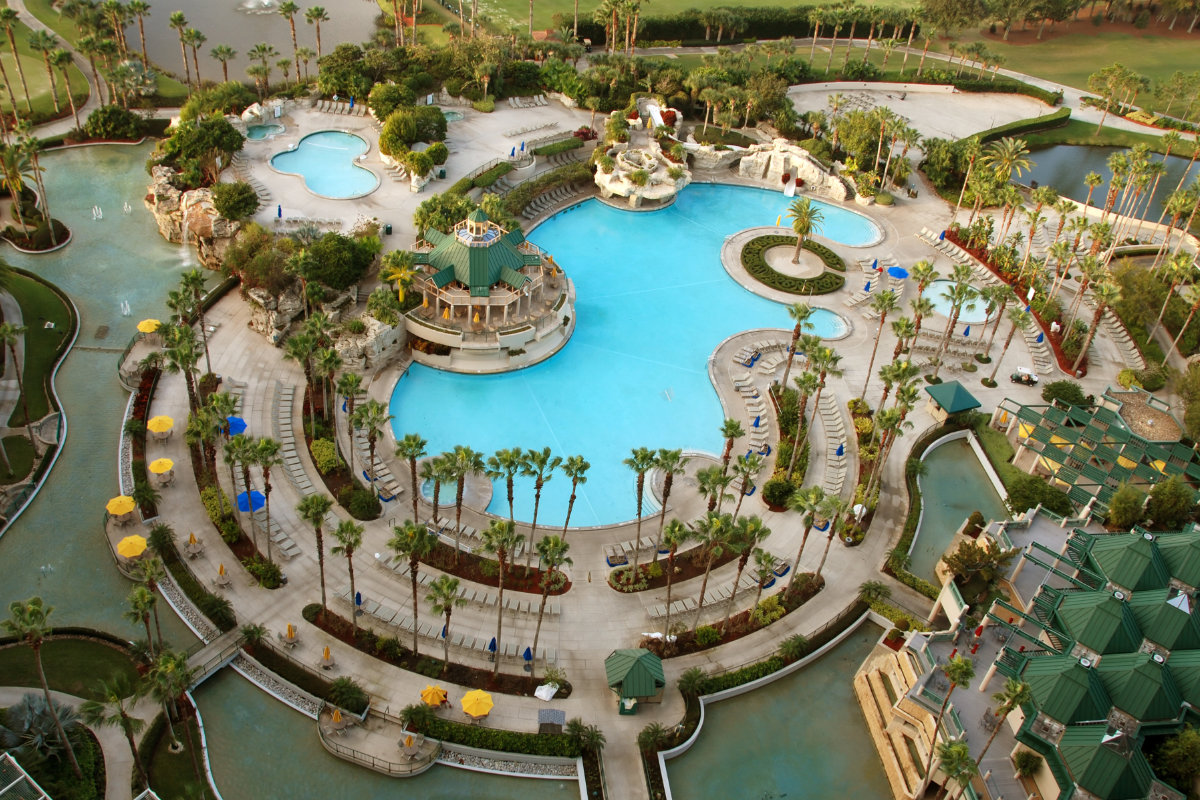
Depending on the resort, ownership may be structured as a tenancy in common, through an LLC or other entity, or through another form of deeded or contractual ownership. Depending on the structure, owners may also participate in appreciation in the underlying real estate.
Because fractional ownership is structured differently from a traditional second home or condominium, traditional residential mortgage financing may be more difficult to obtain and, depending on the ownership structure, conventional agency financing may not be available.
But that doesn't mean you’re limited to paying cash. There are several alternative financing options available, depending on the ownership structure, the resort, and your personal finances.
4 Financing Options for Fractional Resort Buyers
HELOC
A Home Equity Line of Credit, or HELOC, is a popular option for financing a fractional resort unit. With a HELOC, you borrow against the equity you’ve built in your primary residence and use those funds to purchase your fractional share.
One of the biggest advantages is the flexibility it offers. During the draw period, you can access funds as needed, up to your approved limit, and repayment terms can be more flexible than other types of financing. Interest rates are also typically lower than those of unsecured personal loans or credit cards, making a HELOC an attractive option.
A HELOC can be particularly useful when the resort interest itself is difficult to finance because the lender is underwriting your primary residence rather than relying on the fractional resort interest as collateral. Keep in mind that most HELOCs carry variable interest rates, and your primary residence serves as collateral.
Securities-Backed and Asset-Based Financing
For buyers with substantial investment portfolios or other liquid assets, securities-backed or other asset-based financing may provide another way to fund a fractional resort purchase without placing a mortgage on the resort interest itself.
As lenders typically prefer highly liquid assets that can be easily converted to cash, investment portfolios are often a common source of collateral. But keep in mind that borrowing against investments comes with its own risks, including the possibility that you may need to provide additional collateral if the value of your portfolio declines.
TIC Financing
If the resort's fractional ownership is structured as a tenancy in common (TIC), the ownership structure may allow buyers to pursue financing secured specifically by their individual fractional interest. With this structure, each owner can obtain their own loan secured by their individual ownership interest, allowing them to have their own interest rate, monthly payment, and loan terms.
TIC financing is generally offered by a more limited pool of lenders and may have different qualification requirements and terms than a conventional mortgage. And if the fractional ownership is instead structured through an LLC, TIC financing may not be an option.
Developer or Program Financing
Some resorts and developers offer financing programs specifically for fractional ownership, which can make the purchasing process more straightforward. If the resort that you’re considering offers this type of financing, it can be an appealing and convenient option. Because the developer or program lender is already familiar with the property's ownership structure and operating model, underwriting may be more straightforward than it would be with a lender unfamiliar with fractional resort ownership.
But be sure to do your due diligence. The developer’s financing may not automatically be the best option.
Compare the interest rate, down payment, loan term, fees, prepayment terms, and overall cost with other financing options before making a decision. Depending on the program, buyers may also have different qualification requirements than they would with alternative financing.
Calculate the True Cost of Ownership
The purchase price is only one part of the equation. When financing a fractional resort unit, you’ll want to understand the true cost of owning your piece of paradise.

In addition to your down payment and closing costs, be sure to budget for HOA or association fees, insurance, resort fees, utilities, and maintenance. You may also be responsible for unit upgrades, capital improvements, and property management expenses.
Understanding these upfront and recurring costs will help you determine how much you can comfortably afford and make sure your financing strategy accounts for more than just the purchase price. After all, you want your dream vacation to be an investment you enjoy, not a financial headache.
If the Unit Participates in a Rental Program
If the unit participates in a rental program, buyers should also understand management fees, revenue-sharing arrangements, owner-use restrictions, and whether rental income is guaranteed or simply dependent upon actual performance.
Evaluate the Resort - Not Just the Unit
While you may have fallen in love with a certain resort or hotel, before you sign any dotted line, make sure you research the property thoroughly. You want confidence that the resort will remain financially viable, well maintained, desirable to guests, and competitive throughout your ownership period.

An established resort or hospitality operation gives buyers something especially valuable: a track record they can evaluate.
What a Track Record Reveals
You can look at historical occupancy, rental performance, management practices, amenities, capital improvements, owner assessments, and overall financial performance. Established resorts may also have well-developed operating standards, including everything from maintenance and customer service to amenities and activities, which can help protect the quality and appeal of the property over time.
Location, resort reputation, operating performance, ownership structure, transfer restrictions, and the depth of the resale market can all affect how marketable your fractional interest may be when you're ready to sell.
Of course, an established resort or recognizable brand doesn't guarantee the best investment, but having a proven track record can give you more information to consider than you may have with a new or untested property.
Ready to Start?
Buying a fractional resort unit can be an exciting way to turn a beloved getaway into a place you can call your own. But before you make the purchase, you’ll want to take the time to understand the ownership structure, explore your financing options, and look beyond the purchase price to the true cost of ownership.

After all, the goal is to enjoy more time in a place you love, not spend your vacation worrying about how you’re going to pay for it. With the right planning and financing in place, your favorite vacation destination can be an investment you enjoy for years to come.
Buyers should understand what they are actually purchasing, how the ownership structure affects financing and resale, what ongoing costs they will assume, and how the resort has historically performed.
SVN | Northco's Resort, Golf & Hospitality team helps buyers and sellers navigate the unique considerations involved in resort and fractional ownership transactions. Our team has worked on more than 500 projects across 36 states and five countries, giving us experience with complex operating properties, resort ownership structures, and special-purpose real estate.
Considering a resort or fractional ownership purchase? Contact Us to discuss the property, ownership structure, and potential financing considerations before you buy.
Share This Article


