


Golf Course Brokers & Real Estate Services
Looking to buy or sell a golf course? We specialize in real estate services for golf courses.


Golf Course Brokers
We Specialize in Golf Courses & Hospitality
Originally established in 1975, we provide a staff of professionals with extensive industry experience, advanced market knowledge throughout the region and a thorough understanding of the complexities associated with real estate/business transactions.
Our experts at Northco | Hospitality have worked on hundreds of golf course projects over the past two decades plus, and with that experience comes a strong understanding of how buy and sell golf courses.


Recent Golf Projects

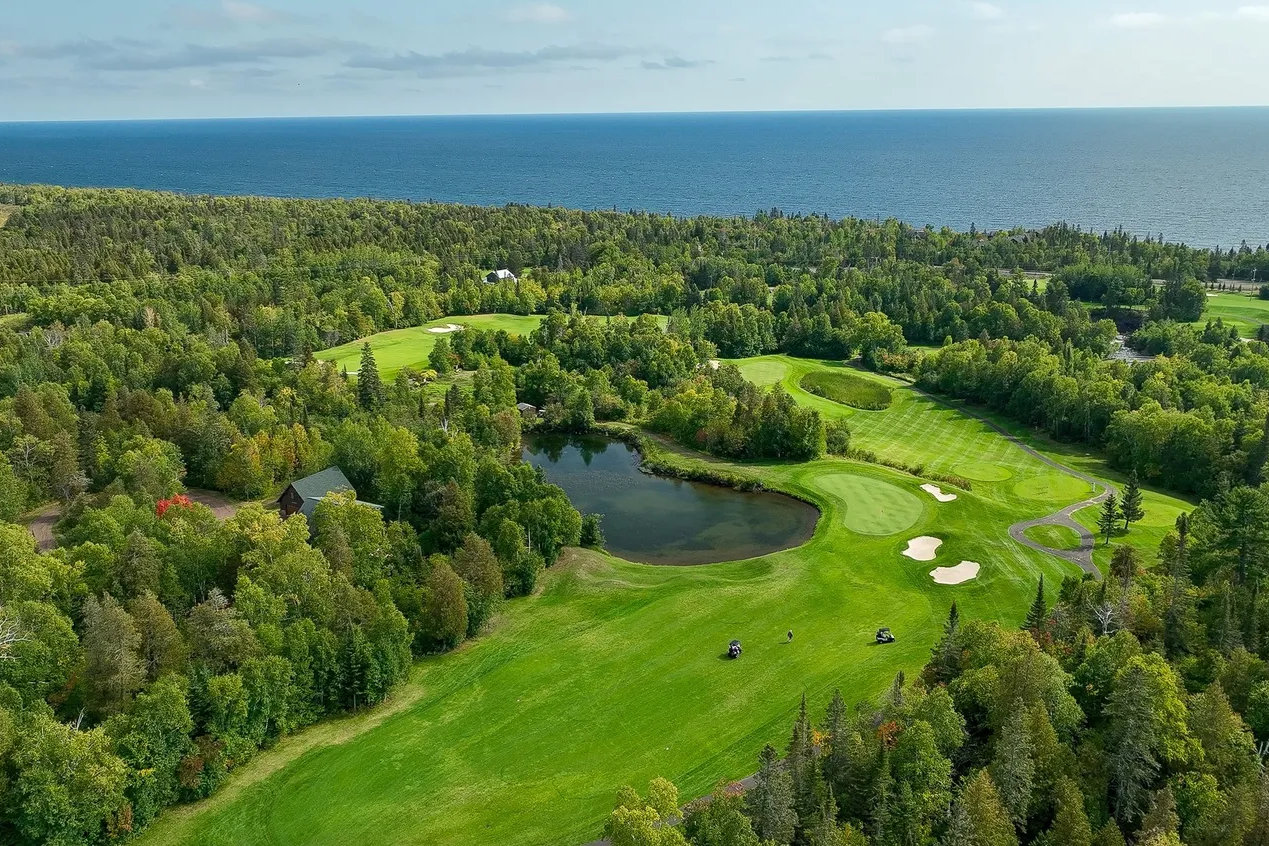

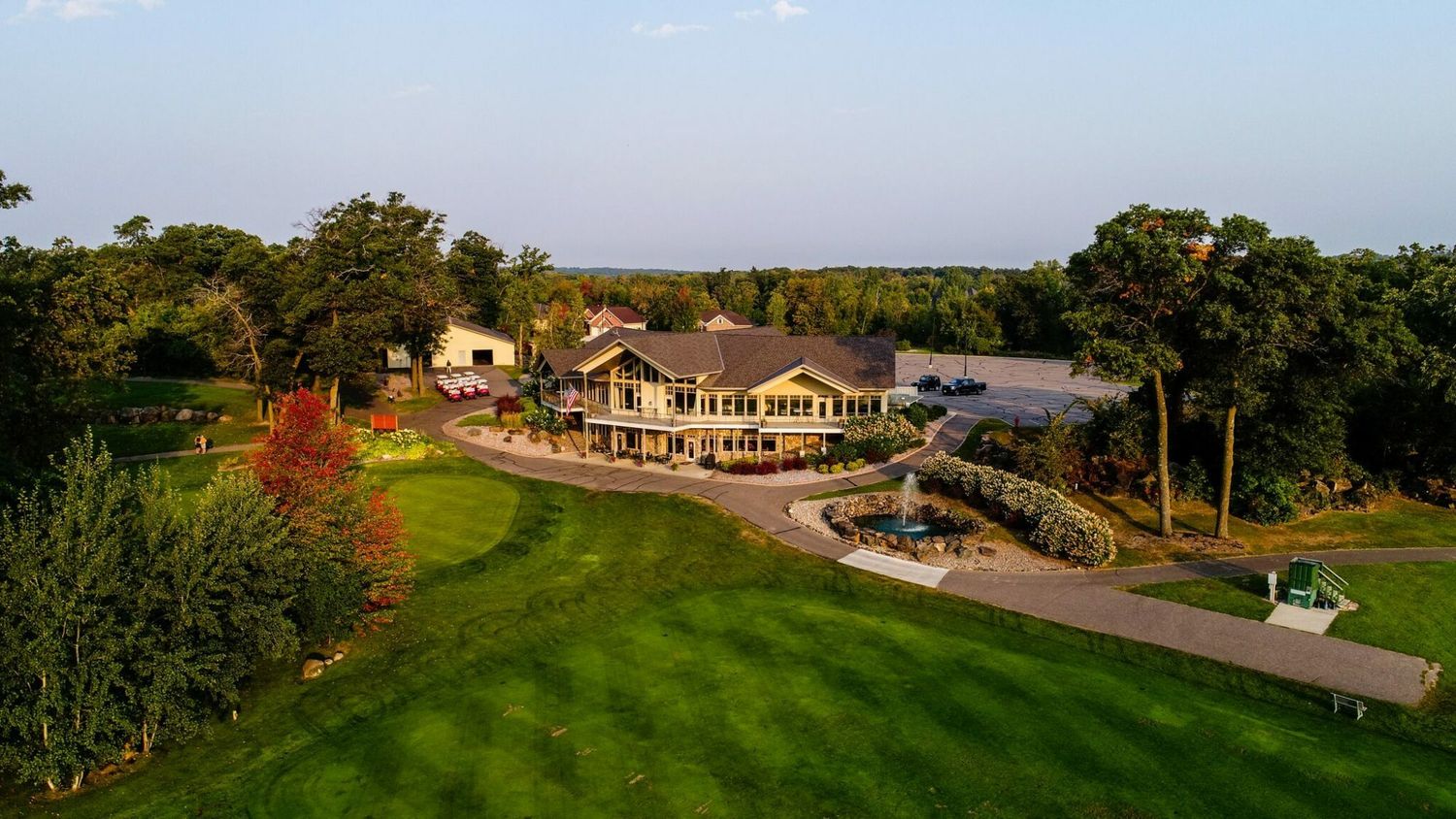




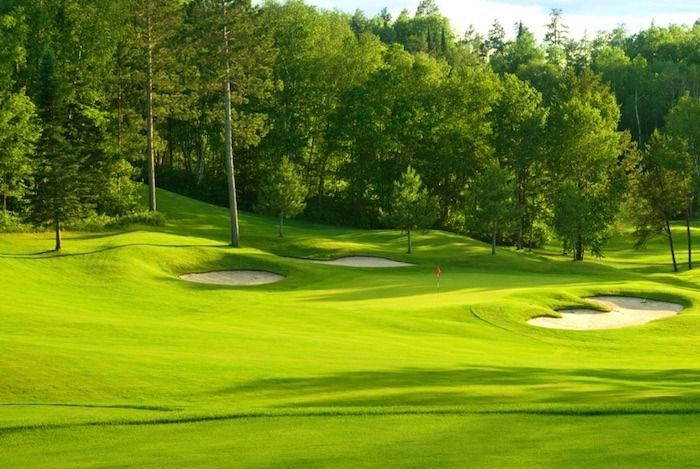
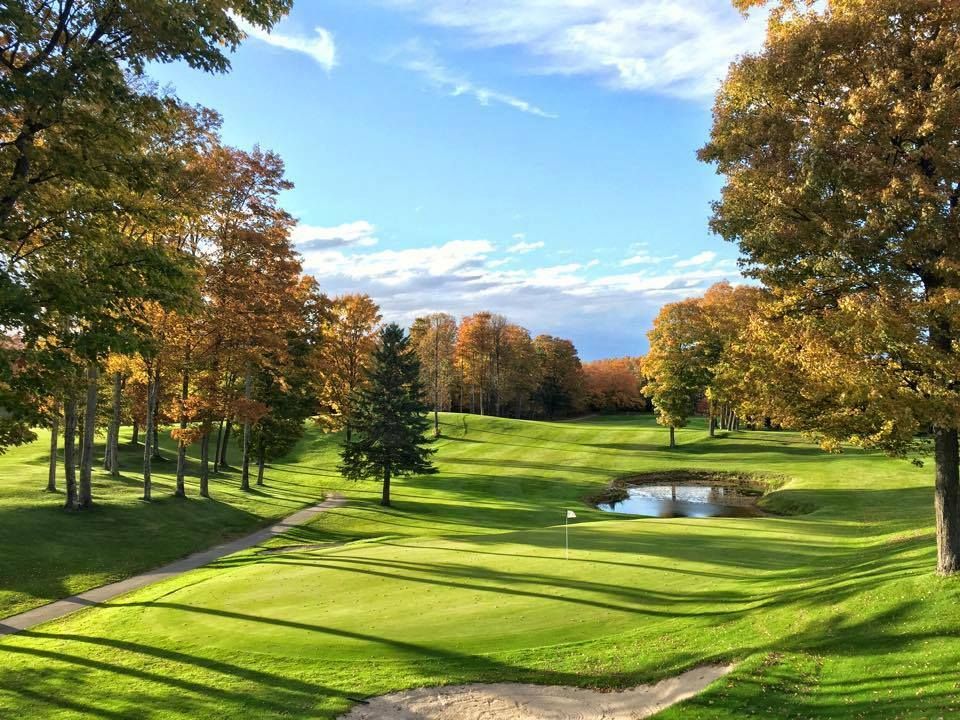

Golf Course Brokerage Services
Receive a Free Golf Course Valuation
We'll help you understand the value of your golf course and make recommendations to maximize profits.
Request a Free ValuationSell Your Golf Course
We'll manage the sales process to ensure a successful close and create a marketing strategy that's tailor-made to your specific golf course.
Learn How to Sell a Golf CourseBuy a Golf Course
Enjoy a smooth buying journey with an extensive selection of curated golf courses, in-depth market analysis and data, and our experience and professional connections.
Request Buyer Representation







Golf Course Resources

How to Maximize Your Golf Course Sale
Ready to sell your golf course? We share how to prepare your golf asset to ensure a smooth sale and so you receive top-dollar.
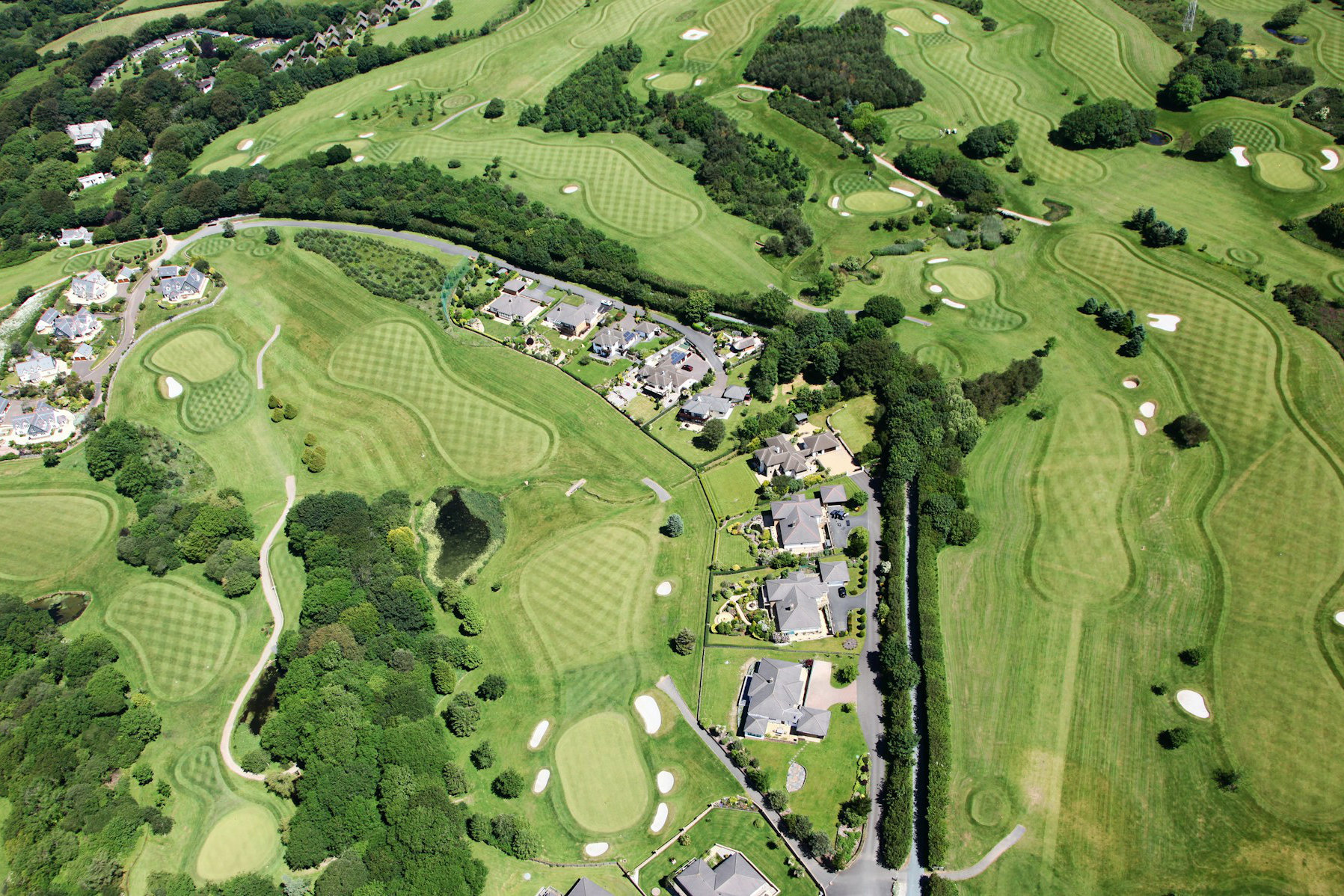
From Fairways to Front Doors: How to Evaluate Housing Potential on Golf Development Land
Golf courses offer unique redevelopment potential, but not every course is a good fit for housing. Here's what developers and investors should evaluate, from market demand and entitlements to environmental risk and infrastructure, before turning fairways into front doors.
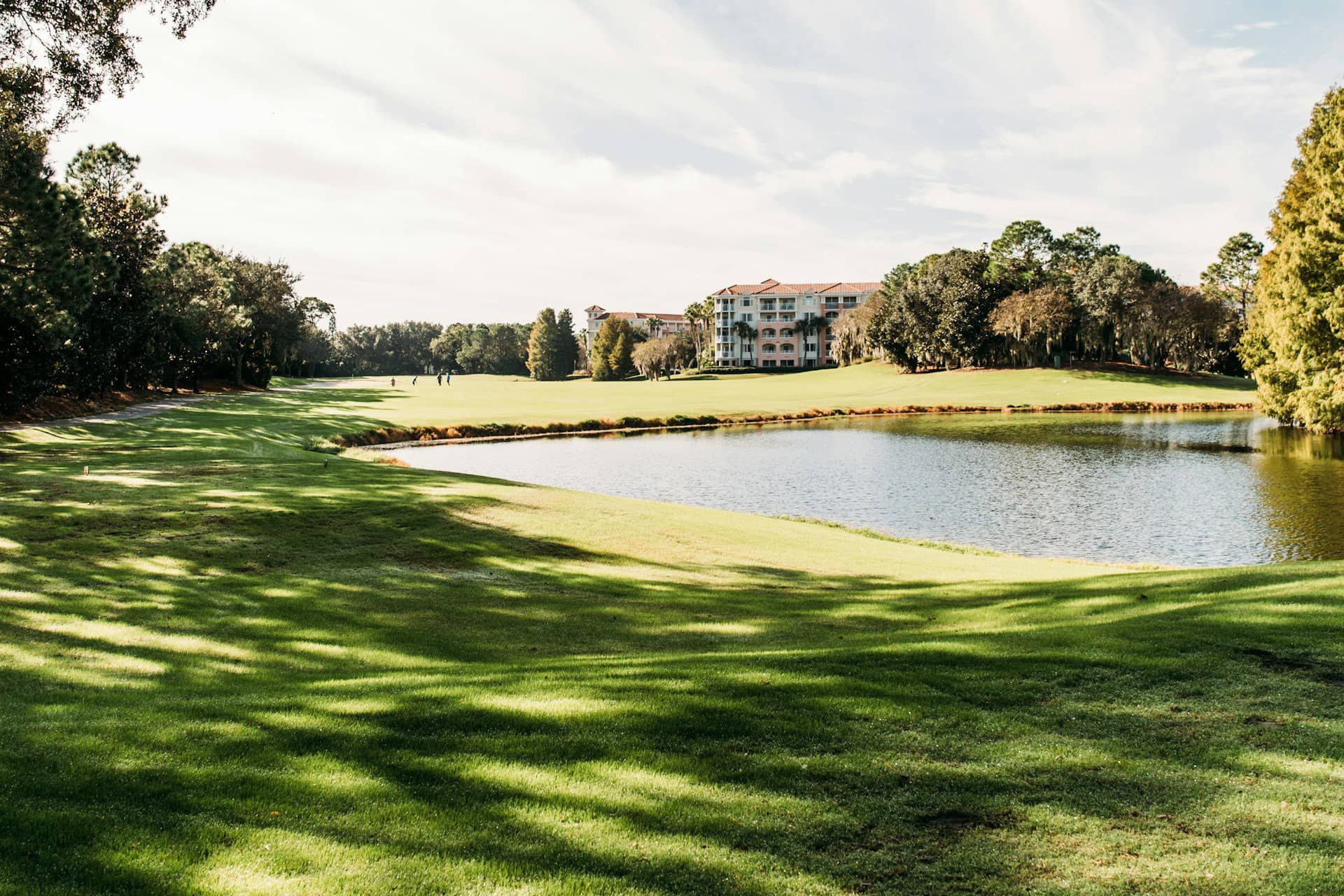
Golf’s Next Boom: Why Institutional Capital Is Returning to Golf
Private equity firms, real estate investment groups, and institutional investors have recently set their sights on the golf industry.

How Entertainment Golf is Shaping Retail
Concepts like Topgolf, simulator lounges, swing suites, and modern mini-golf venues have expanded the game into a broader entertainment category.
Common Questions

Golf course transactions aren't typical commercial real estate deals, and they shouldn't be handled by typical commercial real estate brokers. At SVN Northco, we've specialized in golf and hospitality properties since 1975, completing hundreds of golf course projects over the past two decades. We serve as head of the SVN national product council for golf courses and resort properties, positioning us as the golf transaction specialists within a network of over 200 SVN offices globally.
What this means practically is that when you engage us, you're accessing specialized expertise across every dimension of golf transactions: agronomic evaluation, food and beverage operations, golf-specific financing sources, specialized legal counsel for water rights and liquor licenses, equipment appraisal, market positioning, and environmental compliance unique to courses. We speak the language of golf, understanding how to value the business not just the dirt, recognizing what deferred maintenance truly costs, knowing how to market to the right buyer segments, and structuring deals that account for equipment leases, membership transitions, and seasonal cash flows.
Beyond expertise, we deliver results through our comprehensive network. Our proprietary database includes qualified golf course buyers nationally and internationally, relationships with specialized lenders who actually finance golf courses, and connections to private equity groups actively acquiring courses. We leverage the SVN Shared Value Network to give your listing maximum exposure across all major listing platforms, direct outreach to our extensive buyer network built over decades, and sophisticated marketing that tells your course's unique story. Whether you're buying or selling, our track record, industry reputation, and systematic approach to golf transactions deliver better outcomes than generalist brokers who may handle one course transaction every few years. We do this every day, and that experience translates directly to better pricing, faster closings, and smoother transactions for our clients.
Golf courses are fundamentally different from traditional commercial real estate, and using standard cap rate approaches can be misleading. Unlike triple-net lease properties with passive income, golf courses are complex operating businesses that simultaneously function as agricultural operations, hospitality enterprises, retail businesses, and service providers. We evaluate value using three primary approaches: the income approach (analyzing EBITDA multiples), market comparisons with similar course sales, and assessment of the physical assets.
What truly drives golf course value are multiple revenue streams including green fees, membership dues, food and beverage, pro shop sales, events and tournaments combined with operational efficiency. We examine your rounds played trends, membership strength, condition of critical infrastructure like irrigation systems, competitive positioning, and demographic factors. A course's total value comprises three components: real property, personal property (equipment and carts), and intangible business value. With over two decades of experience and hundreds of golf projects completed, we understand these nuances and can help you maximize your value by identifying which improvements will enhance your sale price versus which should be left for the buyer.
Golf courses don't fit neatly into traditional commercial real estate categories—they're more appropriately classified as M&A (merger and acquisition) transactions because you're acquiring an active operating business, not just property. While an office building or retail center might be leased to tenants providing relatively passive income, golf courses require active management of multiple business lines simultaneously: turfgrass cultivation (agriculture), member and guest services (hospitality), food and beverage operations (restaurant business), retail (pro shop), and events (sales and marketing).
The complexity extends to due diligence requirements. Beyond typical real estate assessments, you need specialized agronomic evaluation of turf and irrigation systems, environmental assessments addressing pesticide use and water rights, equipment appraisal covering maintenance machinery worth hundreds of thousands of dollars, food and beverage consulting, and market positioning analysis. Regulatory requirements are extensive: liquor licenses requiring state approval to transfer, pesticide applicator certifications and EPA compliance, water rights and usage permits that can be politically complex, food service health department permits, and for private clubs, intricate membership documents and potential refund obligations.
Valuation is also different. Standard capitalization rates don't work for golf courses because they're management-intensive with high employee counts and revenue that can fluctuate 20-30% year-over-year due to weather—unlike stable triple-net lease properties. Instead, courses trade at business EBITDA, reflecting operational performance rather than passive real estate value. With over 20 years specializing in golf transactions and serving as head of the SVN national product council for golf courses, we understand these complexities intimately and ensure nothing is overlooked that could compromise your investment or transaction success.
The golf market has undergone a remarkable transformation. After years of struggle following oversupply during the 1986-2005 building boom, golf has experienced seven consecutive years of participation growth, reaching 28.1 million on-course golfers in 2024 with a net increase of 1.5 million—the biggest single-year jump since Tiger Woods' peak in 2000. Record rounds played of 545 million in 2024 demonstrate robust demand, while critical demographic shifts show growth among 18-34 year-olds, women (now 28% of golfers with 41% growth since 2019), and junior golfers.
Supply has rationalized with 2024 seeing the fewest course closures in 20 years after a decade-plus of contraction that rebalanced the market. The buyer pool has expanded dramatically—66% more buyers are in the market compared to four years ago, and private equity is now involved in every major golf course owner compared to just one owner a decade ago. Average sale prices reached nearly $5 million in 2023, up 20.6% from 2022, with median prices at $2.5 million.
What makes this particularly significant for transactions is that investors are finding golf courses offer de-risked income streams through membership dues and multiple revenue centers while other commercial real estate sectors like office and retail struggle. Strong waiting lists at quality courses demonstrate pent-up demand supporting future earnings. However, this seller-favorable market also means owners are less motivated to sell given improved EBITDA post-pandemic, creating inventory shortages. For sellers, it's an excellent time if you're ready; waiting for even "better" conditions is risky. For buyers, competition is intense, making professional representation and quick decision-making on quality opportunities essential. Our market intelligence and deep industry relationships give our clients competitive advantages in this dynamic environment.
Contact Our Team
Reach out to speak with one of our advisors today.
Work With Northco

