


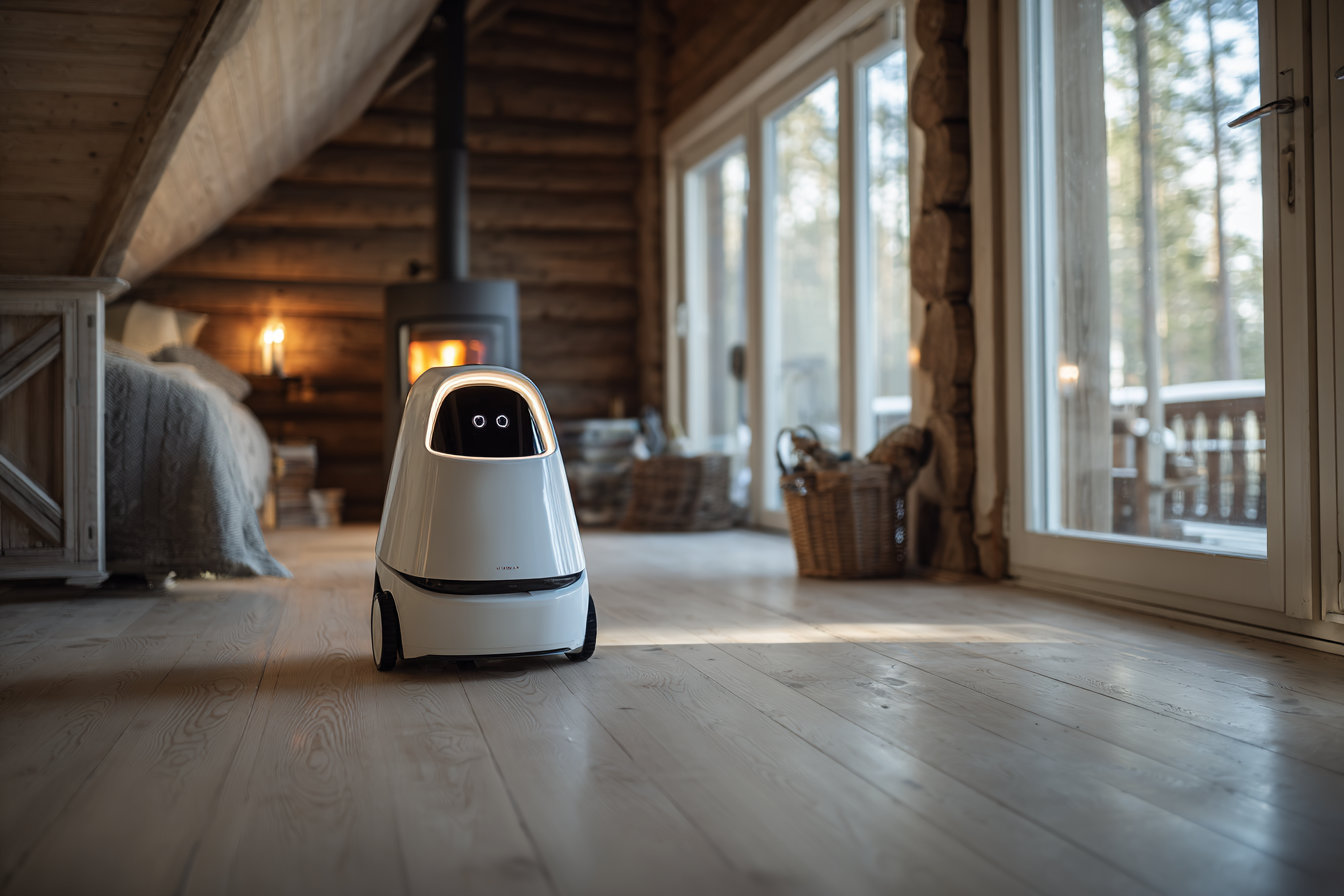
Have you ever walked into a hotel and been greeted by a polite, robotic velociraptor wearing a bellhop cap? Well, guests at the Henn-na Hotel in Japan now can say, “Why yes, yes, I have.” The Henn-na Hotel is the world's first fully robotic hotel.
While Henn-na Hotel does have human staff on hand, using AI-powered robots to welcome and check in guests, provide concierge services, carry luggage, and clean rooms provides a glimpse into the possibilities AI-driven hospitality can offer for both resort and hotel operations and the guest experience.
Granted, while most resorts and hotels won’t likely start using animatronic dinosaurs to welcome guests (at least anytime soon), 73% of hoteliers believe AI will transform the industry, and 61% say it’s already impacting their operations or expect it to in the coming year.
For instance, Universal Orlando Resort has created speedy, contactless park entry using facial recognition technology, and InnVest Hotels, a Canadian hospitality firm, has begun using AI-enhanced robots to deliver items to guests from the kitchen and front desk.
So, how can resorts effectively implement AI to improve operations, ROI, and guest experience?
Virtual Concierges
Instead of guests calling down to the front desk asking what time the pool closes, when check out is, or where the best nearby restaurants are, an AI assistant or chatbot can handle the majority of these routine guest questions, and in multiple languages, removing the language barrier and possible frustration between guests and staff.
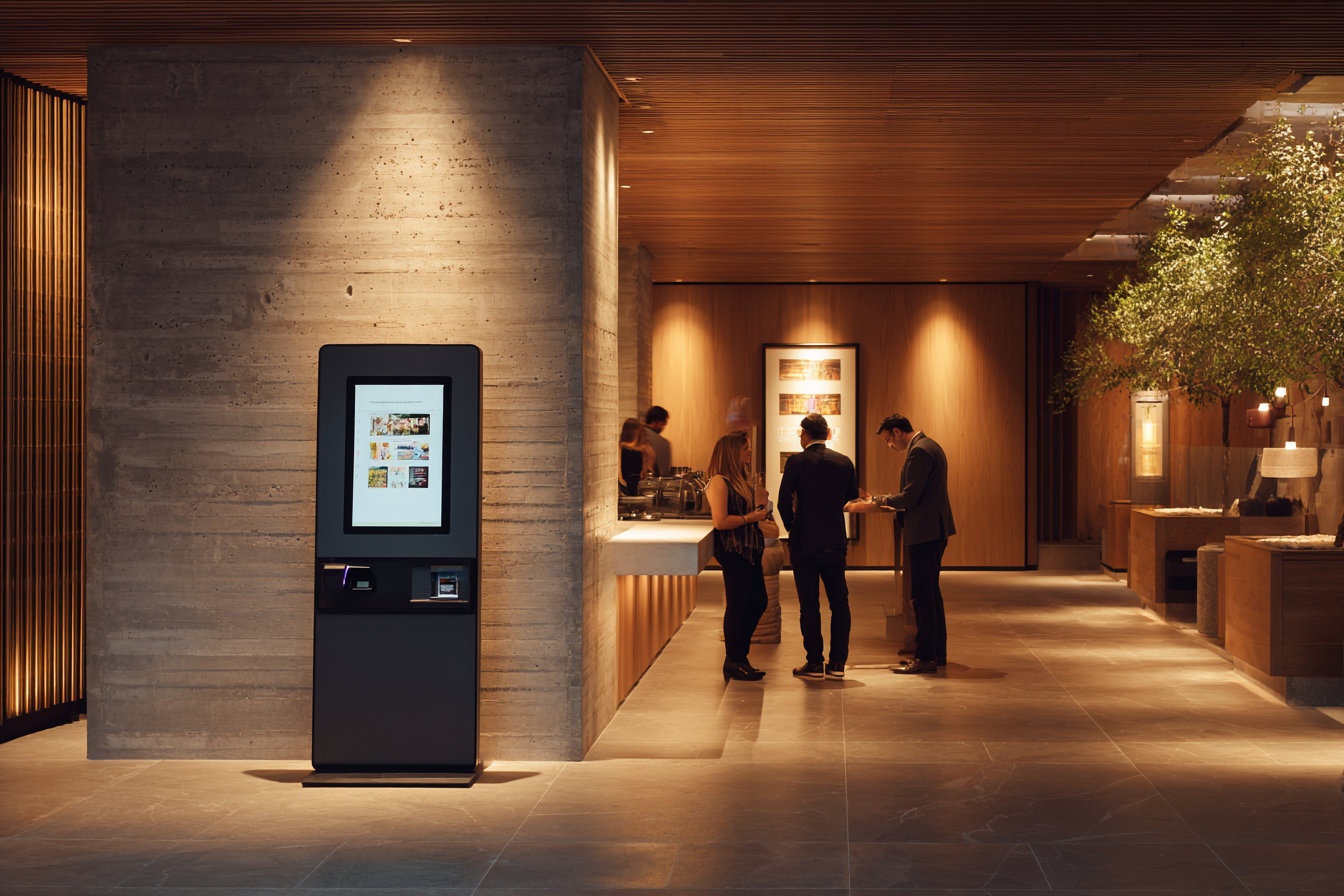
Additionally, guests can book and check out through these AI systems, allowing for more streamlined service and flexibility when traveling. Being able to still check in when your plane is delayed or book a room when travel plans change can take away added stress for travelers.
One of the popular AI voice tools hotels and resorts use for this is Canary Technologies, which offers contactless check-in, guest messaging, and answers guest questions in real-time. Velma AI is also a favorite in the hospitality industry, with hotels experiencing a 25% boost in direct bookings after implementing the chatbot.
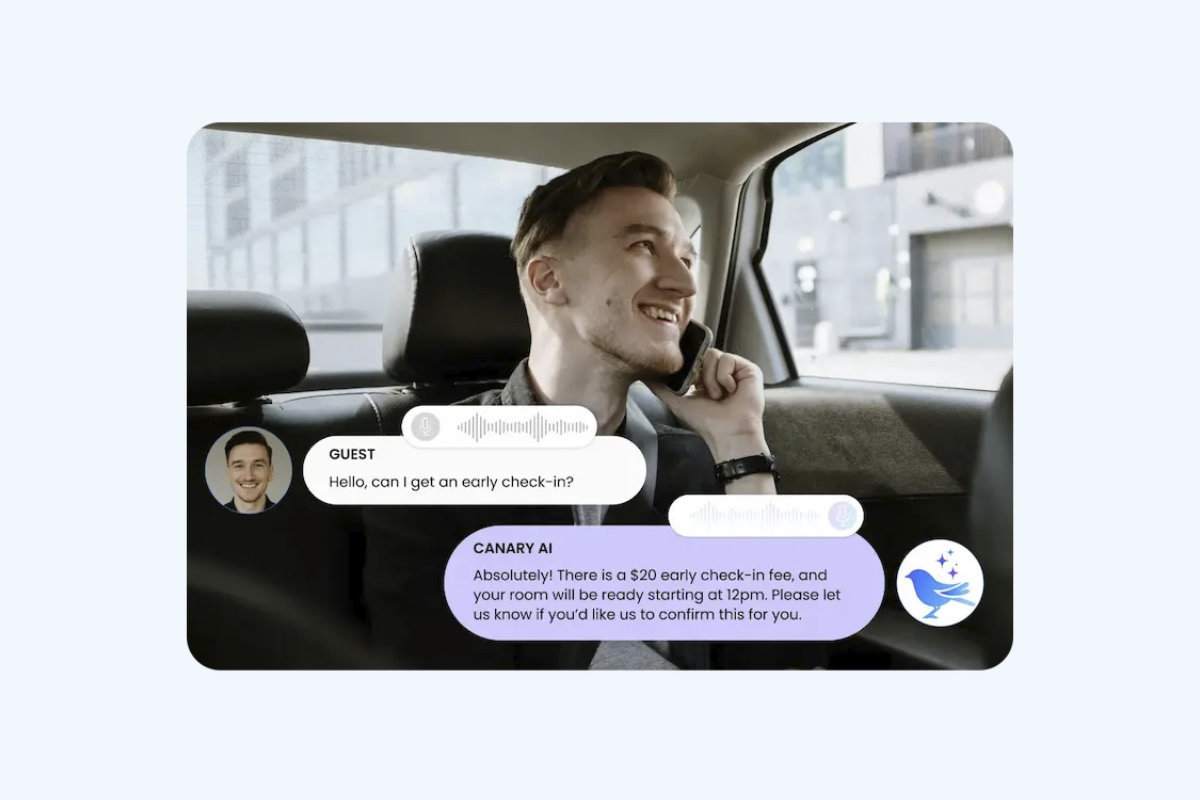
AI-powered assistants don’t just enhance the guest experience with instant, 24/7 answers; they also make life easier for the staff. By handling routine questions, bookings, and checkouts, they lighten the workload for staff, freeing them up to focus on higher-value tasks and more meaningful guest interactions.
Optimizing Revenue
Using AI tools to analyze external and internal data like competitor pricing, booking trends, local festivals and events, and weather patterns, AI can suggest or implement dynamic pricing, allowing resorts to adjust prices in real-time, offering competitive rates while maximizing revenue. Many are already seeing the returns.
Hotels using AI-powered pricing are seeing revenue per available room increase by as much as 15%. The Duetto Revenue Strategy Platform, for example, has helped hotels optimize room rates and pricing, seeing a 6-10% revenue increase per room.

Resorts will also be able to plan smarter. By having the ability to analyze historical and real-time trends, resorts can determine whether to increase staff and supplies for a popular local event or scale down when bad weather is in the forecast.
Not only does this improve efficiency for the resort, but it also allows a better guest experience when you have enough staff and services to handle a rush of guests.
Efficient Operations
What if the elevators or AC in your resort never just… broke down on you? Being able to catch issues before they turn into full-blown problems is, honestly, the dream, and saves you from a whole lot of unnecessary headaches. AI can also help with this.
AI can analyze data from IoT sensors and historical patterns to monitor and detect anomalies in systems such as water heaters and HVAC systems, helping predict problems before they occur. By continuously monitoring these systems and providing maintenance alerts, you can catch a potential issue before it even happens. AI systems like IBM Watson predict malfunctions, reducing repair costs by 15-20%.
On top of that, AI can optimize energy consumption, automatically adjusting things like heating, ventilation, and AC so you’re not wasting resources and can keep utility costs low.

For example, AI can adjust energy usage in unoccupied rooms and lower-trafficked areas throughout the resort or hotel, which saves on costs as well as promotes environmental sustainability.
Housekeeping and Inventory Management
AI-driven operations also help optimize housekeeping schedules and inventory management, freeing up tedious tasks for staff.
The Ritz-Carlton in San Francisco, for example, reported a 20% increase in room-cleaning efficiency after they implemented an AI system that optimizes housekeeping schedules based on checkout timing, guest preferences, and staffing levels
ALICE Housekeeping Management AI does exactly this, optimizing housekeeping schedules and reducing cleaning time per room by 15% and room turnover by 20%.
Personalizing the Guest Experience
Guests don’t want a cookie-cutter experience when they travel. In a survey of more than 1,700 hotel guests, 61% said they’d be happy to pay more for a more customized, personalized experience. Another study found that 78% of travelers are more likely to book a place that feels tailored to them, and nearly half said they’d even be open to sharing personal information to make that happen, especially among the younger generations.

AI tools and analytics can help provide guests with personalized marketing and service offerings tailored to their individual interests. For instance, if a guest who has used your resort’s spa in the past or always booked a tee time gets a well-timed nudge to book another session during the booking process, chances are they’re saying yes, a great boost to guest satisfaction and resort revenue.
AI analysis of guest feedback via surveys and reviews is also incredibly helpful in improving personalization and experience. Using these tools helps resorts identify trends they can capitalize on and where they can improve.
What Does This Mean for Investors?
Artificial intelligence is rapidly becoming an important operational tool within the hospitality industry, offering resort owners and operators new ways to enhance revenue performance, improve efficiency, and elevate the guest experience.
For investors, AI should be viewed as one of several tools that can strengthen an asset’s operational profile when implemented thoughtfully and in alignment with the property’s brand and service model.
Rather than replacing the fundamentals that drive resort value, such as location, demand drivers, historical performance, physical condition, and management quality, AI can serve as a force multiplier that helps operators make faster, more informed decisions.
From dynamic pricing and labor optimization to predictive maintenance and guest personalization, these tools can contribute to stronger margin management and improved guest retention.
Supporting the Investment Narrative
For owners preparing a resort for sale, AI-enabled systems may also help support the investment narrative by demonstrating scalable operations, improved reporting capabilities, and a proactive approach to expense control and guest service.
Buyers and lenders increasingly value operational sophistication, particularly when it supports sustainable growth in ADR, occupancy, ancillary revenue, and overall NOI.
Importantly, AI adoption should be viewed as an enhancement to hospitality operations rather than a standalone determinant of value.
Well-located, well-managed resort assets continue to derive value primarily from market fundamentals and the quality of the guest experience. Technology simply provides an additional opportunity to improve consistency, responsiveness, and profitability.
The Future of AI in Hospitality
AI in hospitality isn’t just a futuristic idea. It’s already reshaping the way resorts and hotels operate and is expected to continue growing rapidly over the coming decade, topping $8 billion by 2033.
For resorts looking to stay ahead, it’s all about enhancing guest and staff experience through AI without replacing the human touch. When AI can handle the routine tasks, resorts can focus on what truly matters: creating seamless, personalized, and unforgettable guest experiences.

As the hospitality industry continues to evolve, resorts that thoughtfully integrate technology while preserving the human touch that guests expect may be particularly well-positioned for long-term performance and investor interest.
If reading about AI's growing role in resort operations has you thinking about the bigger picture, whether that's expanding, refinancing, or eventually selling, SVN Northco's hospitality services can help you understand what your asset is worth and what it could be worth with the right strategy in place.
Our team specializes in hospitality real estate services, with 500+ projects worked on across resorts, hotels, and golf courses throughout the Upper Midwest and beyond. We offer a complimentary listing analysis and consultation at no cost or obligation to you.
Contact SVN Northco to Get Started
Share This Article


